The Transition Years (1950 - 1959)
Key Developments in Spiritual Knowledge
From Pakistan to India
1949–1952
It is difficult to identify the exact point at which the community ceased looking primarily to the Shrimad Bhagavad Gitaand began privileging the vanis, the daily teachings that would later become known as murlis. Materials from the Second, Third and Fourth World Congresses on Religions show that the Gita remained an important frame of reference into the mid-1950s. At this time, the community understood the Gita as containing the versions of Lord Brahma rather than Shiva.
There was not yet a clear theological distinction between Brahma Baba, the human soul and student, and Shiv Baba, the Supreme Soul. Dada Anand Kishore appears to have had a strong sense that another personality was at work, as did Brahma Baba himself. What that presence was, who it was, and how it operated remained uncertain through much, and possibly all, of the 1950s. The great sweep of belief was that Brahma was the corporeal manifestation of Supreme Soul Trimurti God.
May 1950
Having left Sindh with few possessions, but carrying their invaluable posters and visual materials, Om Mandli arrives in India by steamer at Okha in Gujarat.
Gangeshwaranand Swami, the guru of Kaka Mulchand and of Didi Manmohini’s family, offered his bungalow in Ahmedabad to the community. However, when Didi Manmohini and Sister Rukmani saw it, they decided it would be too small. Gangeshwaranand then suggested that the sisters visit Mount Abu and asked one of his followers to accompany them and Dada Vishwa Kishore. After seeing a number of places, Dada found and recommended Brij Koti (‘Bharatpur Koti’, the house of the Maharaja of Bharatpur) as a place for the community to stay on first arriving in Mount Abu.
Dada had his own room and would give spiritual discourse in the morning, after which a group of 50–60 would go for a walk. Baba set the standard uniform for this activity: white shirts, blue shorts and tennis shoes for all sisters and brothers. Baba distinguished himself by wearing a white shirt and white shorts.
the first international conference (japan)
1952 - 1955 During this period, Brahma began sending small groups of sisters out on service to share the teachings in cities across India. For the first time, members of the community also travelled beyond India to present their spiritual understanding to an international audience. Transcripts of the entire conferences were discovered at the New York Public Library in late 2014. These substantive texts provide important primary-source evidence for understanding the development of Brahma Kumaris teachings during the 1950s.
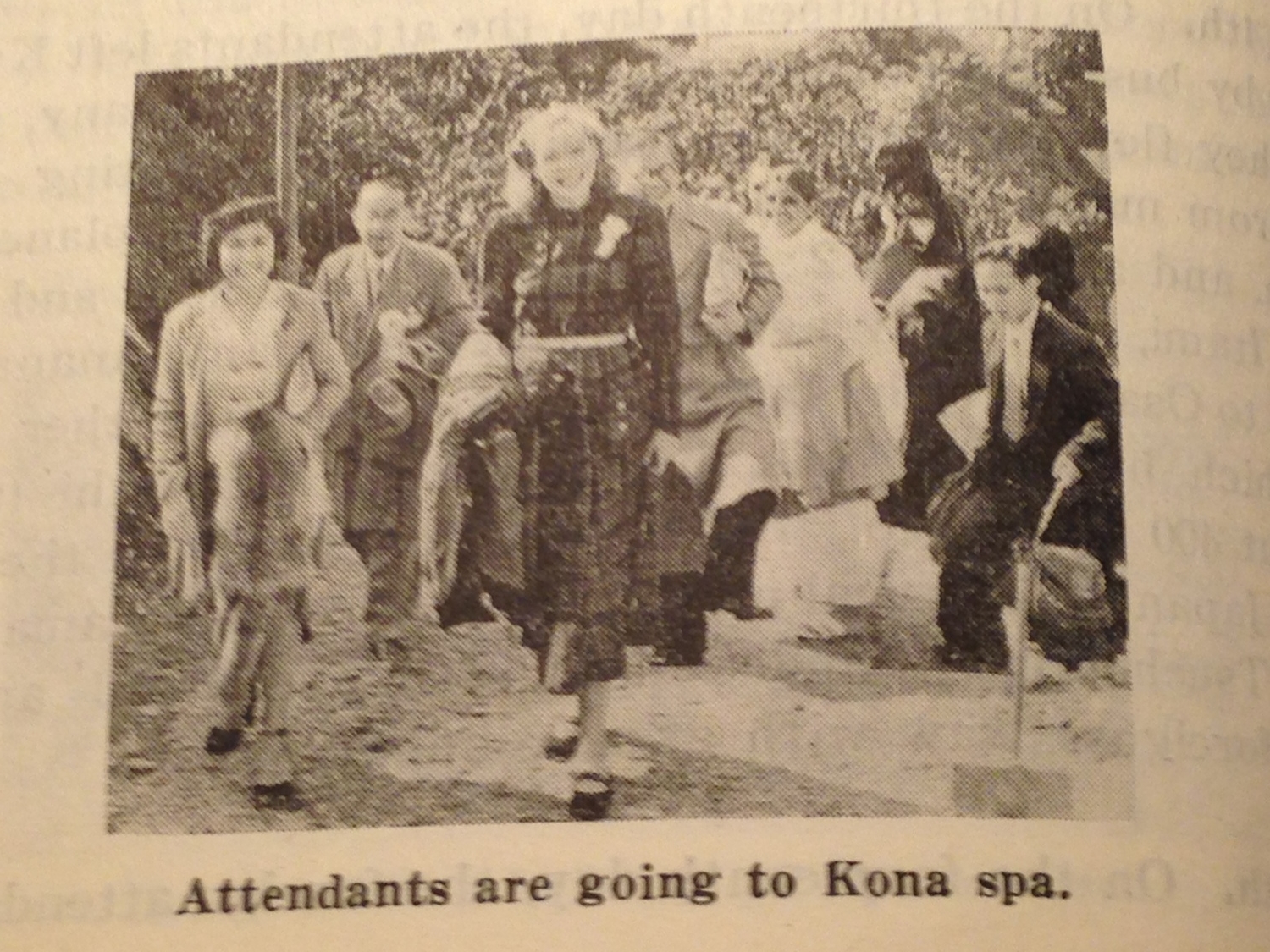
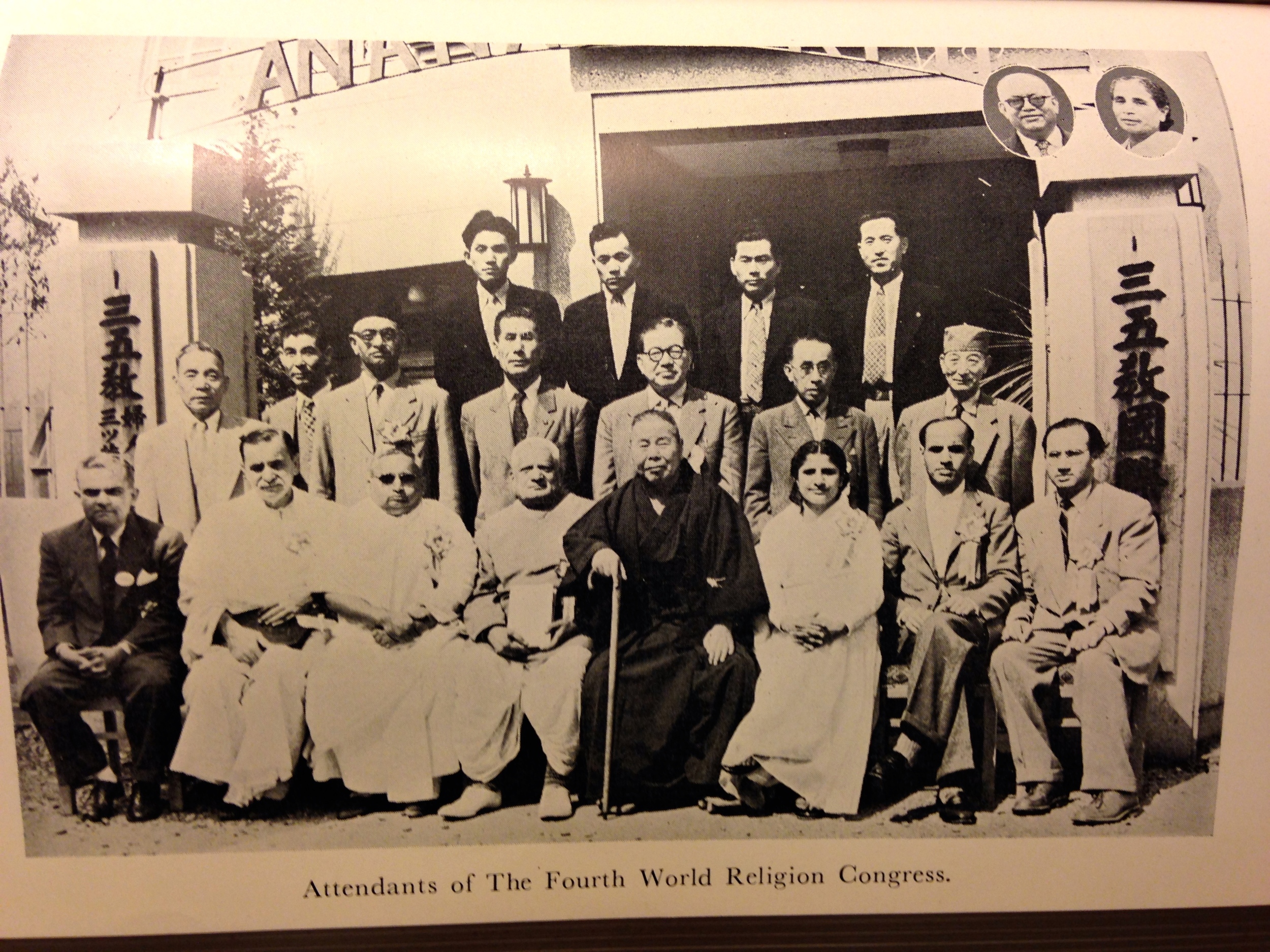
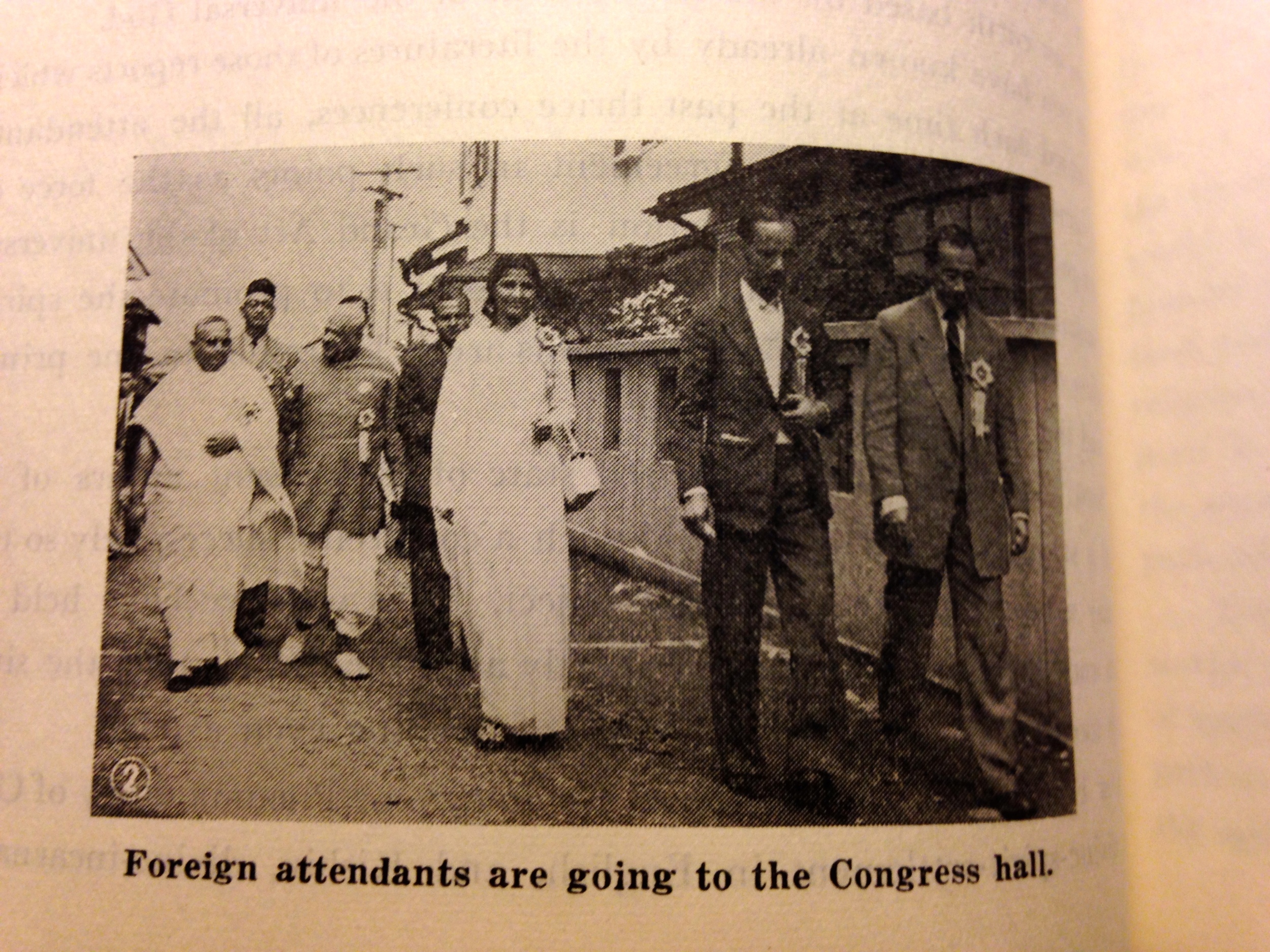
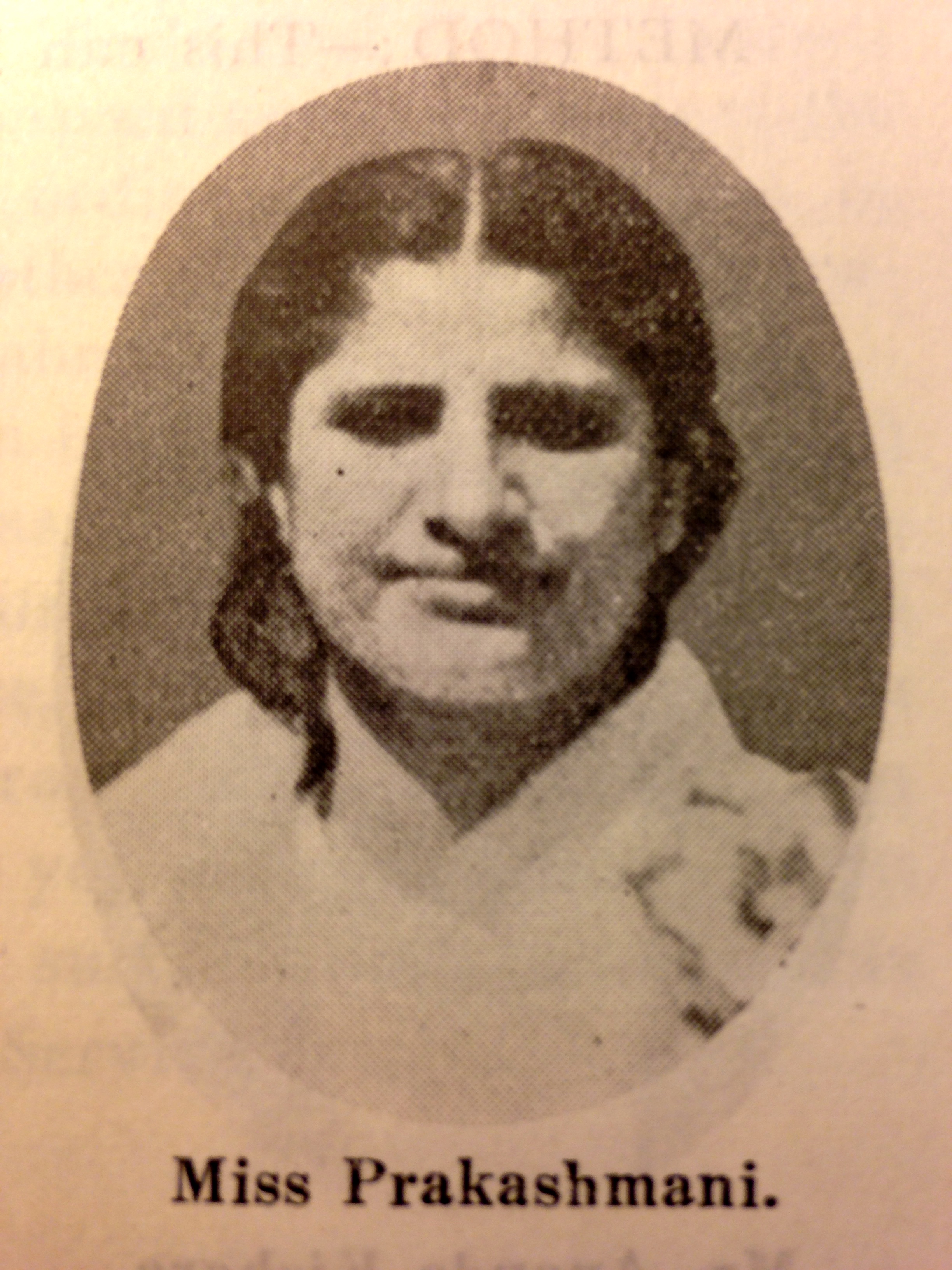
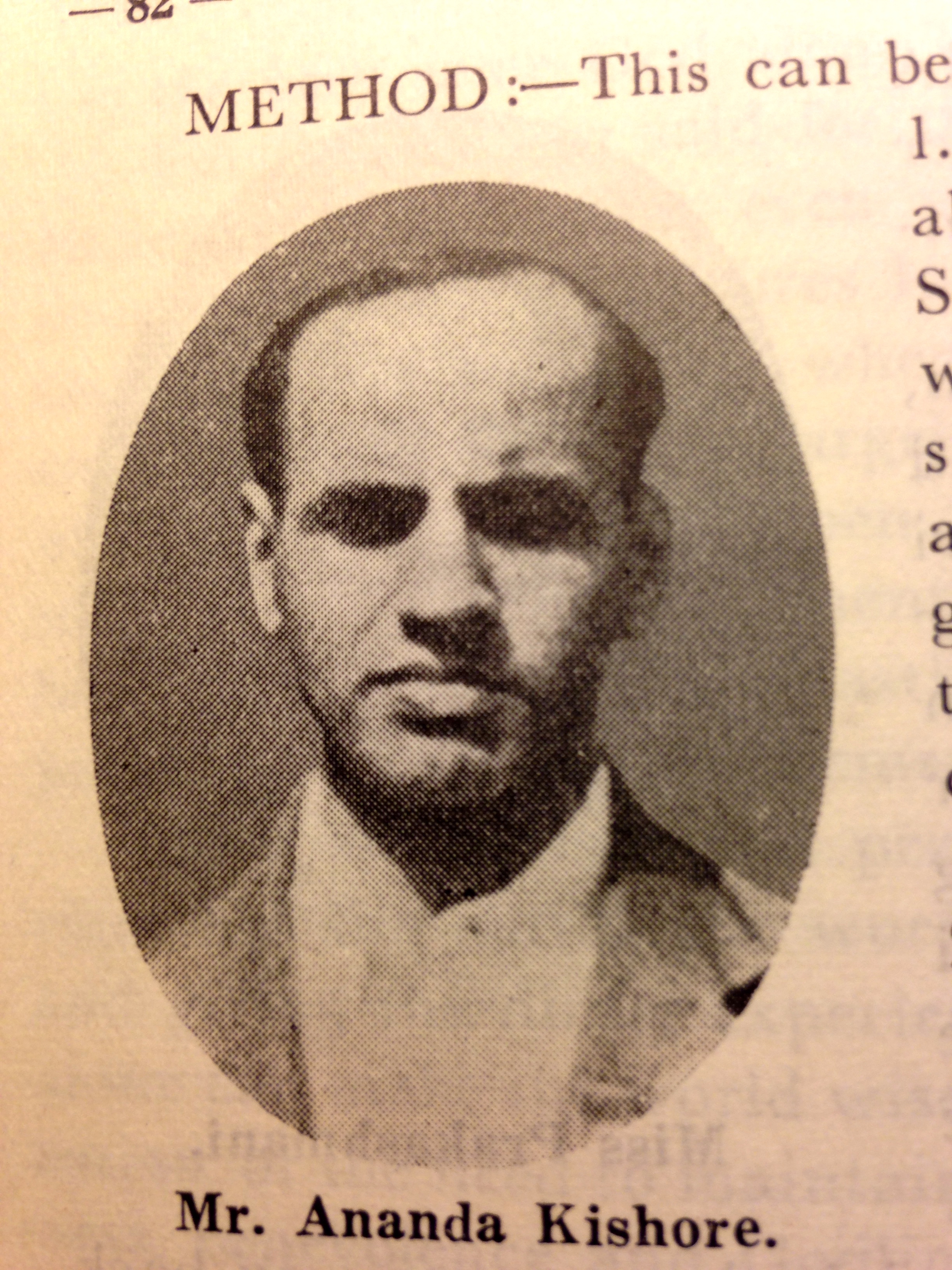
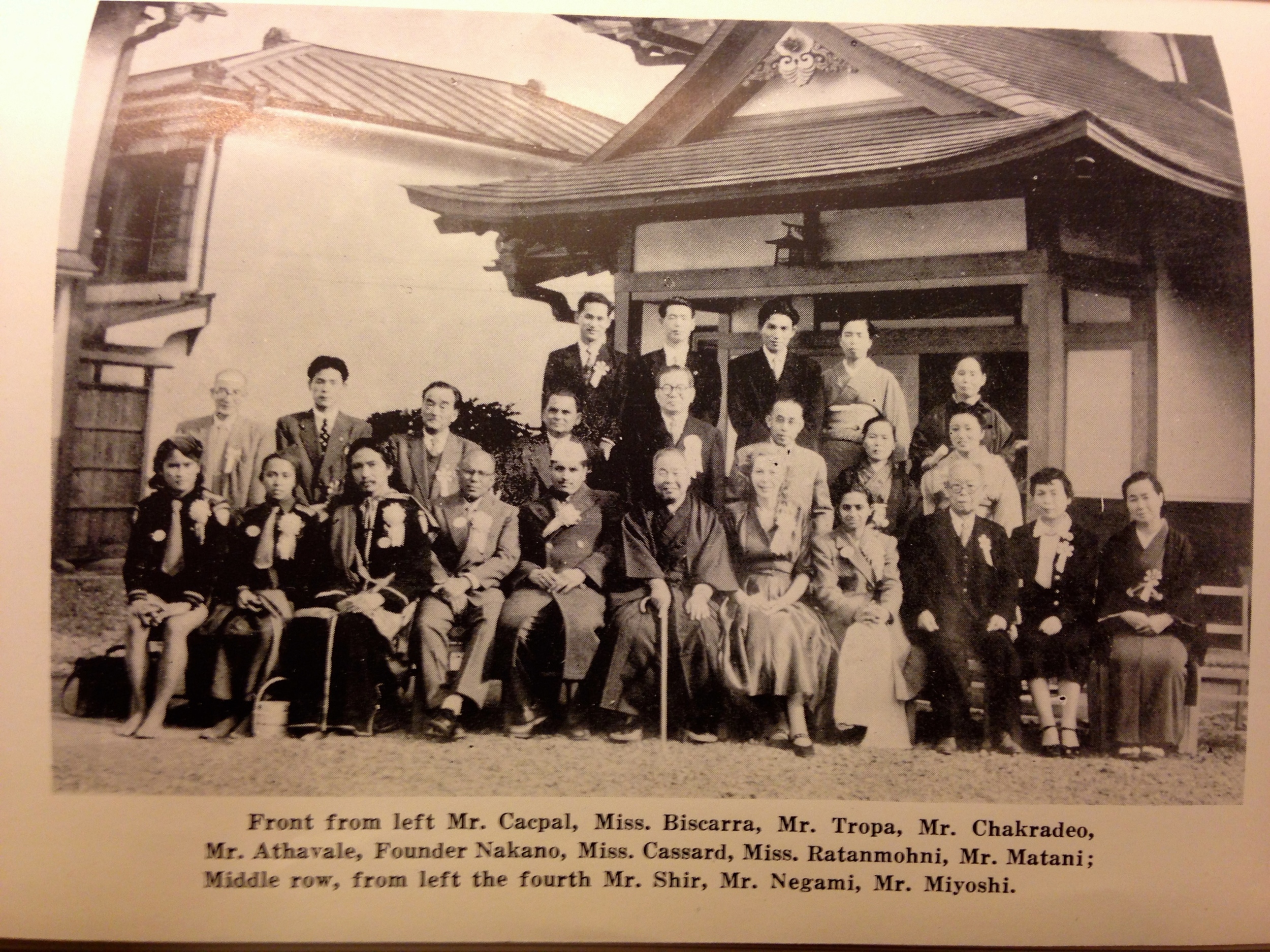
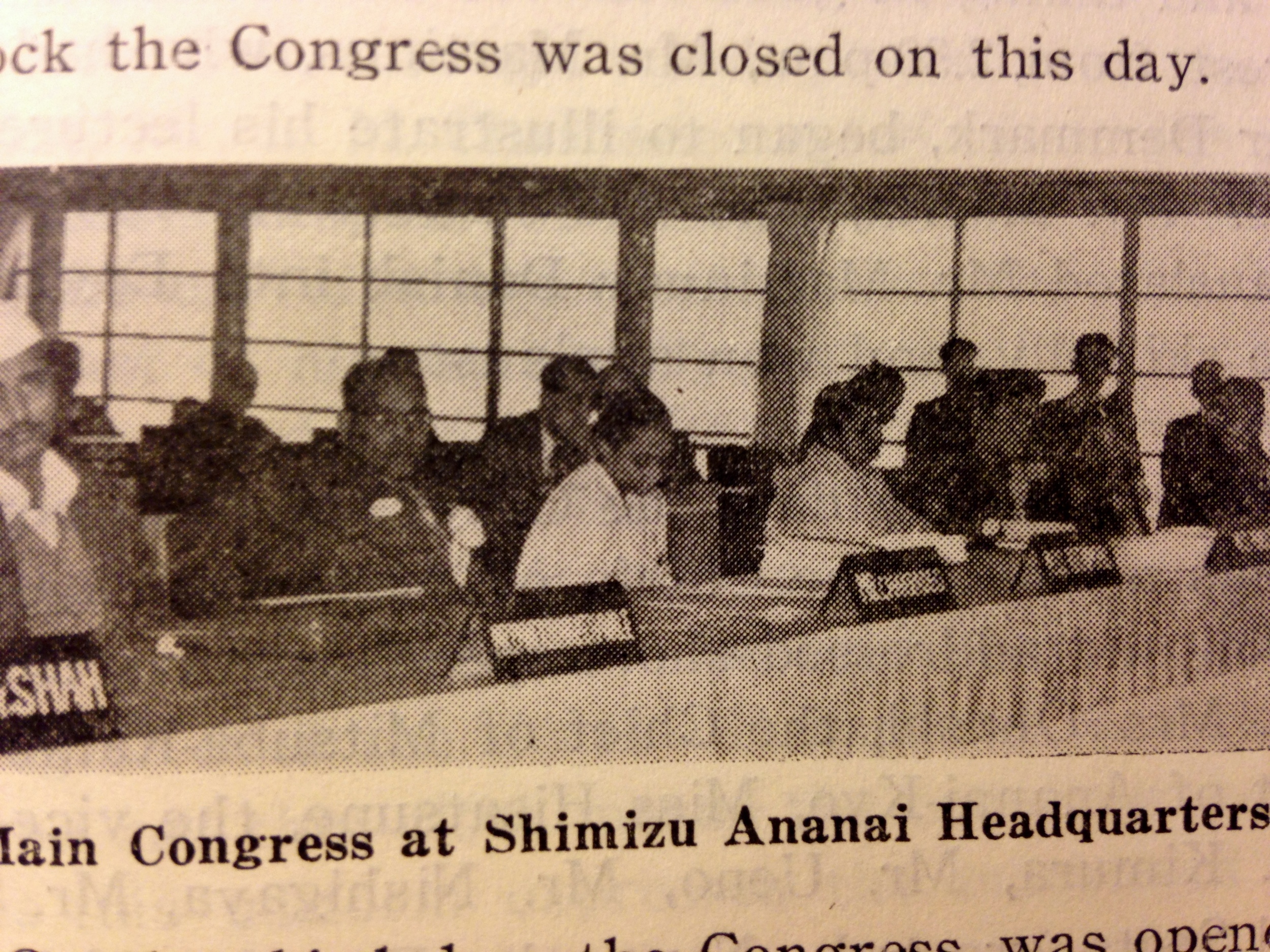
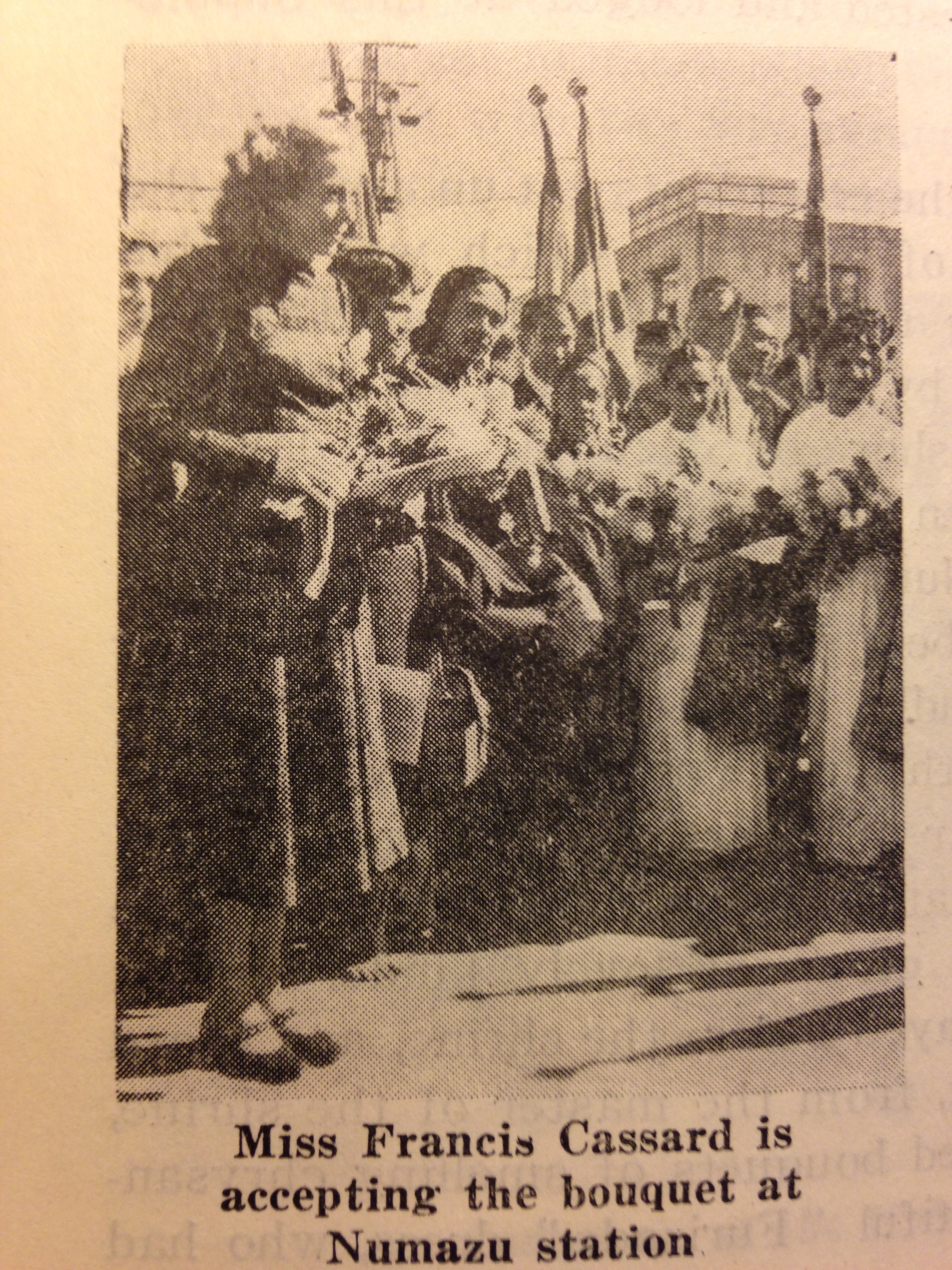
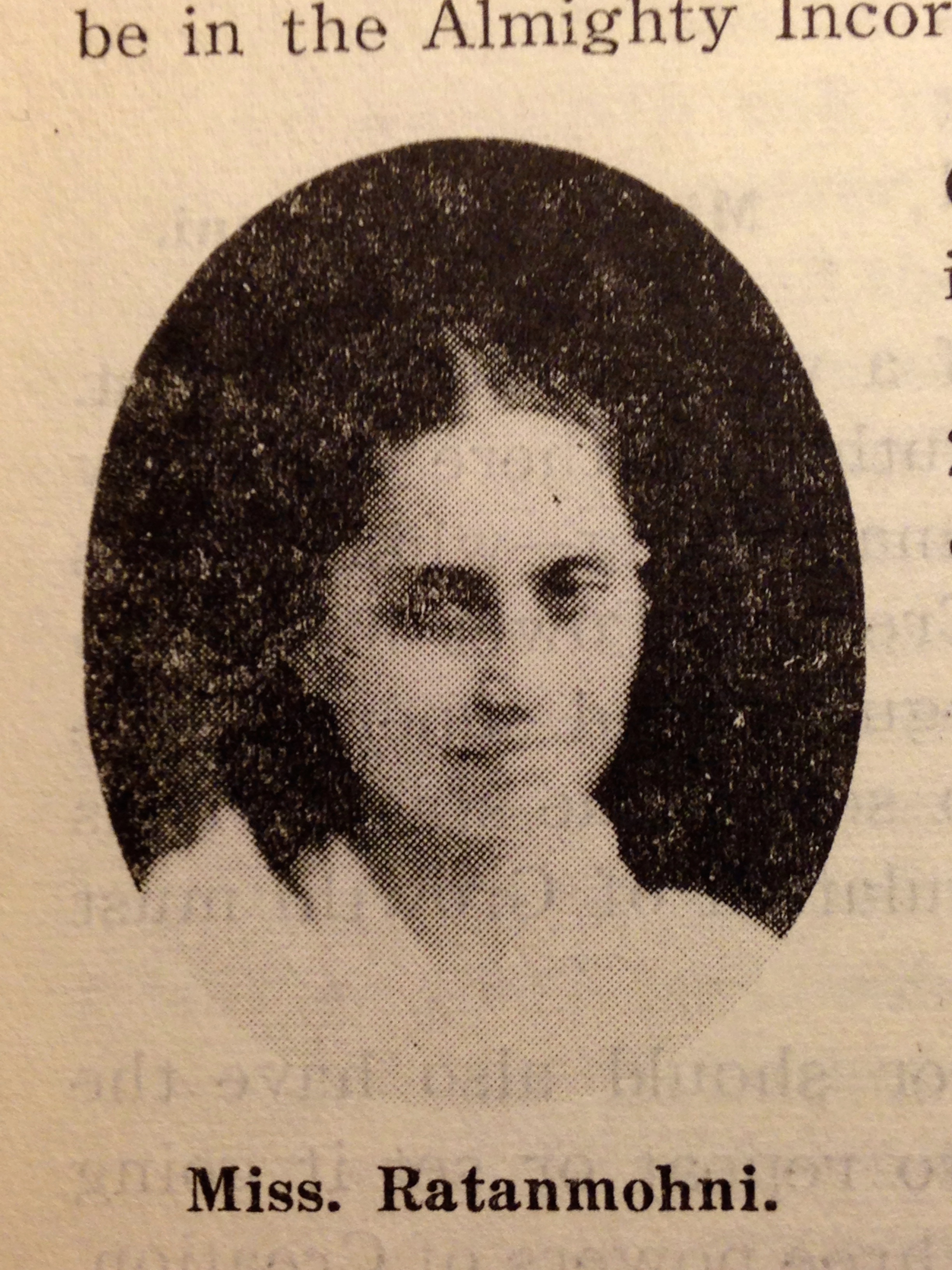
Until relatively recently, the 1950s was a period about which comparatively little was known or understood. The World Congress of Religions transcripts now allow us to trace the development of Brahma Kumaris spiritual understanding through the words of those who were living it at the time. Extracts, transcripts and links to original documents are included below.
The 1950s was a time when the sisters first began going out to establish centres and teach what they had been learning. As young and enthusiastic teachers, the World Congress of Religions provided Miss Prakashmani, Miss Rattan Mohini and Mr Anand Kishore with an important opportunity to share their spiritual understanding with an international audience for the very first time.
God was still understood as Trimurti God, creating through God Brahma, sustaining through God Vishnu, who bifurcated as Shri Lakshmi and Shri Narayan in the first half of the Cycle, and bringing destruction through Shankar. The lectures given during the World Congress of Religions allow us to say with a high degree of certainty that the later understanding of God Father Shiva as a distinct personality was not yet clear. Regardless, the clarity, conviction and dedication of Miss (Dadi) Prakashmani, Miss (Dadi) Rattan Mohini and (Dada) Mr Anand Kishore were absolute.
back in madhuban
1955 - 1958 Around 200 members of the community remained at Brij Koti for approximately five years before moving to Kota House in 1955. In 1958 they moved to Pokhran House, now part of Pandav Bhawan, the revered headquarters of the Brahma Kumaris in Mount Abu. They called the ashram Madhuban, named after the garden where Krishna played in devotional tradition.
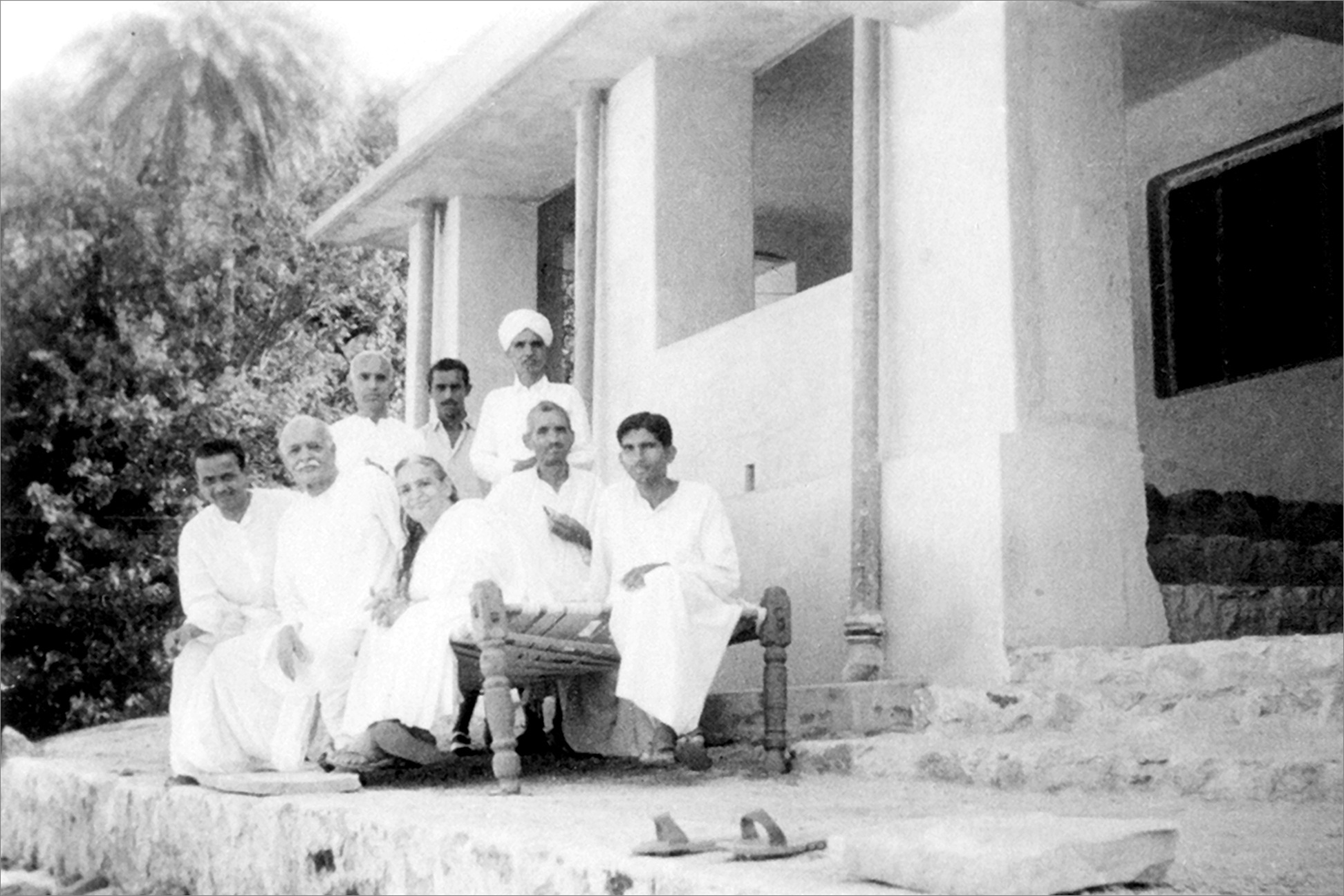
Around this time, the “Beggary Period” begins, continuing for around ten years. During this period, many children returned home to their families rather than withstand the discomforts of simple food, cold weather and high altitude. The money had run out, and those who had come from wealthy families now had to sew, cook, repair bicycles and clean.
Regarding the form of God, the Supreme Soul was still understood as jyoti lingam, a thumb-shaped or oval form of light, rather than the later jyoti bindu, a point of light.
NB. The surviving material from the 1950s suggests a period of continuing transition and clarification in the community’s understanding of God, Brahma Baba and the soul. The 1954–55 World Congress texts do not yet show a clear understanding of Shiv Baba as the distinct Supreme Soul familiar in later Brahma Kumaris teaching, and the precise chronology of this theological development remains under investigation.
DISTINGUISHING THEOLOGY
During the later 1950s, a number of elements of Brahma Kumaris theology appear to become more clearly articulated, including the three faculties of the soul, mind, intellect and sanskaras, and the understanding of the Three Worlds: the Incorporeal World, the Subtle World and the Corporeal World.
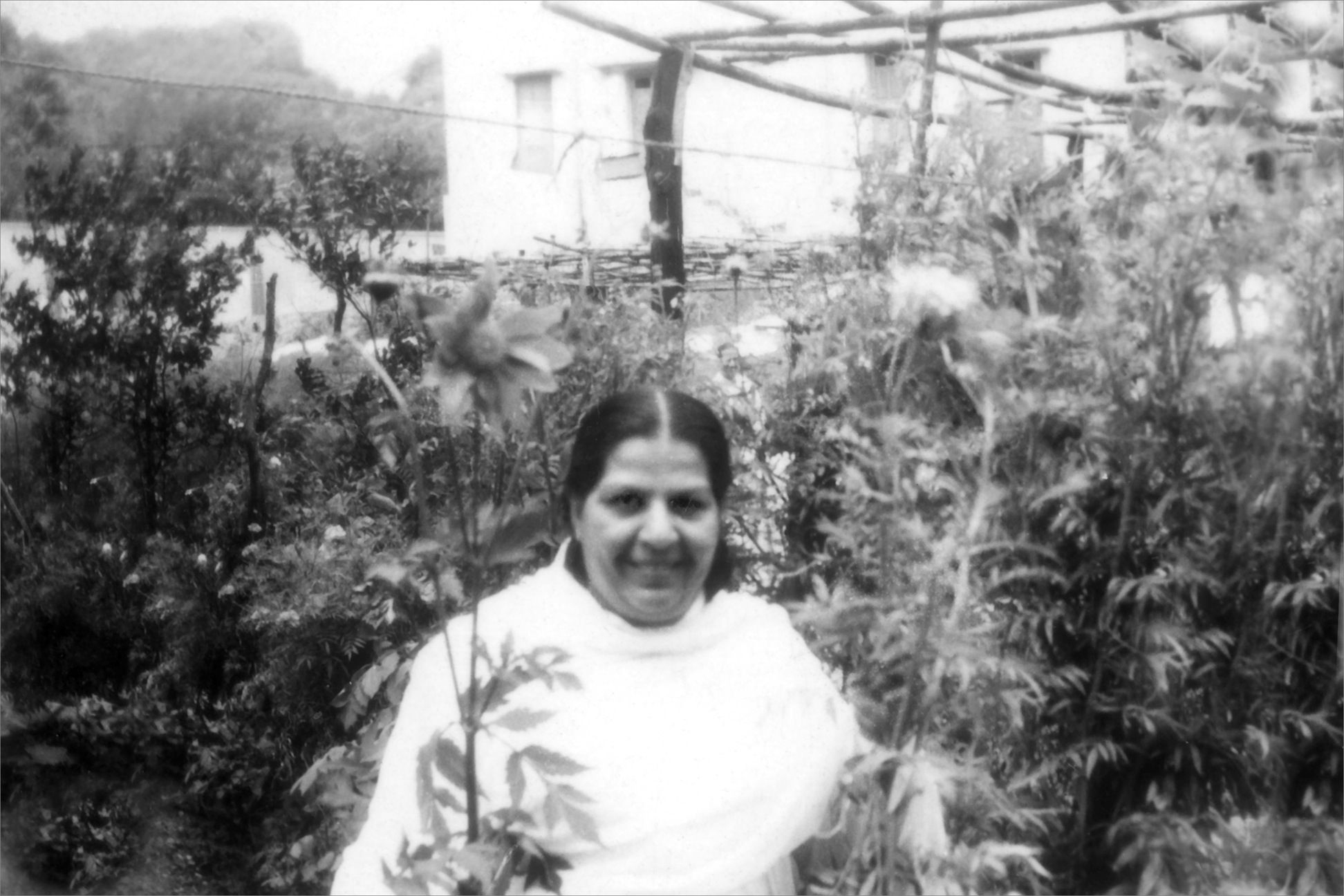
Brother Jagdish Hassija Chander appears to have played an important role in the clarification and systematisation of this knowledge in conversation with Brahma Baba. Jagdish bhai became one of the principal intellectual and literary figures within the Brahma Kumaris, writing extensively and helping to shape the presentation of its teachings. His later book Adi Dev became an important reference work both within the community and for scholars writing about its early history.
1957-60 By the later 1950s, the community’s understanding appears to be moving much closer to the theology familiar today: Shiv Baba is understood as God speaking through Brahma Baba, the first prince of the Golden Age and the father of the people. God is no longer regarded as omnipresent, and the Confluence Age becomes more clearly articulated.
The form of both the soul and the Supreme Soul is still represented as jyoti lingam, an oval or thumb-shaped form of light. The later understanding of the Supreme Soul as jyoti bindu, a point of light, appears to develop subsequently.
The visual record is particularly useful here. A version of the Tree, illustrated sometime between 1955 and 1960, depicts President Eisenhower and Soviet leader Nikita Khrushchev in opposition at the top of the tree, helping us to date the image. In this poster, God Shiva is still represented as jyoti lingam. The same understanding is visible in a Cycle image produced during this period.